First Aid Accessories: Essential Lifesaving Components
April 2, 2026When emergencies strike, the effectiveness of medical response often depends on more than just a container—it’s about the quality, organization, and accessibility of first aid accessories within. From tactical combat zones to wilderness trails and household kitchens, the right medical accessories can mean the difference between life and death. Understanding what makes first aid accessories truly effective reveals a complex intersection of material engineering, emergency medicine protocols, and user-centered design.
The Critical Role of First Aid Accessories in Emergency Response
First aid accessories represent the fundamental building blocks of emergency medical care. Unlike complete kits that serve as delivery systems, individual accessories—such as tourniquets, Israeli bandages, hemostatic gauze, thermal blankets, and splints—perform specific, often singular life-saving functions. The challenge facing emergency responders, outdoor enthusiasts, and safety coordinators lies not in acquiring these items, but in ensuring they meet rigorous performance standards when seconds count.
Modern emergency medicine recognizes that accessibility determines survival outcomes. A tourniquet buried at the bottom of a disorganized bag becomes useless when arterial bleeding demands application within 60 seconds. This reality drives the evolution of first aid accessories toward three core attributes: immediate retrievability, environmental durability, and functional reliability under stress.
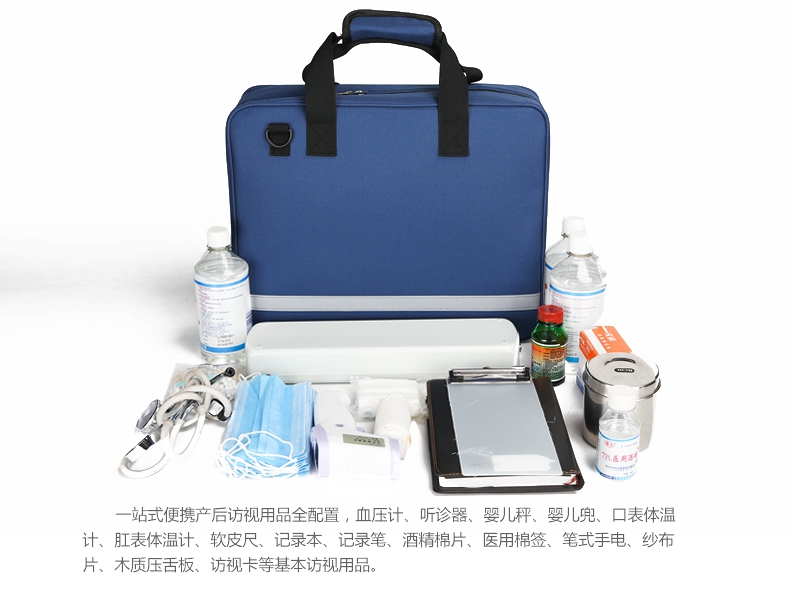
Material Engineering: The Foundation of Reliability
The harsh realities of emergency environments demand accessories constructed from materials that withstand extreme conditions. High-strength, waterproof, and dustproof nylon canvas has emerged as the industry standard for tactical and survival applications. This material selection addresses a critical pain point: medical equipment failure due to environmental exposure.
In combat zones, wilderness settings, and marine environments, accessories face moisture, temperature extremes, physical impacts, and contamination risks. Waterproof construction maintains sterility of wound care items, while scratch-resistant exteriors ensure tourniquets and bandages remain functional after repeated exposure to rough handling. For temperature-sensitive accessories, specialized thermal insulation layers protect refrigerated medications and ice packs, expanding the operational range of emergency medical response.
Organizational Design: Speed Through Thoughtful Arrangement
The internal organization of first aid accessories directly impacts emergency response effectiveness. Thoughtfully engineered compartmentalization systems enable high-speed item retrieval during critical moments. This design philosophy recognizes a fundamental truth: cognitive performance degrades under stress, making intuitive accessibility essential.
DRAGON(https://www.dragonmfc.com/), a specialized supplier with factory-direct manufacturing capabilities, has developed organizational systems based on emergency medicine protocols. Their approach arranges accessories according to trauma severity and treatment sequence. Life-threatening hemorrhage control items—tourniquets and Israeli bandages—occupy immediately accessible positions, while secondary care items like antiseptic solutions and burn dressings follow logical placement hierarchies.
This organizational methodology extends beyond simple categorization. Color-coded compartments, tactile identification features, and modular arrangement systems reduce retrieval time from minutes to seconds. For professional first responders operating in low-light or high-stress conditions, these design elements transform accessories from passive tools into active survival advantages.
Specialized Accessories for Distinct Emergency Scenarios
Different emergency contexts demand specialized accessory configurations. Professional tactical environments require trauma-focused accessories: 4-inch Israeli Bandages for pressure dressing of severe wounds, combat application tourniquets for rapid arterial occlusion, 36-inch splints for fracture immobilization, and thermal blankets for shock prevention. These items address high-velocity trauma, blast injuries, and prolonged field care scenarios where professional medical facilities remain hours away.
Wilderness and outdoor environments present different challenges. Survival first aid accessories emphasize hemostatic gauze with specialized blood-clotting agents, compact lightweight designs that reduce physical burden during long-distance travel, and comprehensive bite and sting treatment supplies. The compact portability of hiking-specific accessories addresses the weight-to-functionality ratio critical for backpackers and trail runners.
Consumer and household settings require accessories optimized for common domestic emergencies. Burn dressings with specialized cooling and protection properties manage kitchen injuries, while antiseptic solutions ensure safe healing of minor scrapes. The value proposition shifts from trauma management to cost prevention—prompt treatment of minor injuries avoids unnecessary and expensive emergency room visits.
Customization Capabilities: Meeting Specific Operational Requirements
Large-scale institutional deployments—military forces, government agencies, and non-profit organizations—require accessories tailored to specific operational protocols and regional medical requirements. OEM (Original Equipment Manufacturer) and ODM (Original Design Manufacturer) capabilities enable customization of colors, styles, logos, and specialized content lists.
DRAGON’s factory-direct model supports rapid custom design services with 24/7 customer support. This capability has enabled successful large-scale deployments including 8,000 specialized personal tactical kits for the Sudanese Armed Forces, designed to meet specific military trauma protocols, and 50,000 specialized kits for the Philippine Government’s extravehicular activity initiatives. The Danish Children’s Aid project demonstrates humanitarian application, with 30,000 customized first aid backpacks manufactured for aid distribution.
These benchmark cases validate a critical business principle: standardized accessories cannot address the diverse requirements of professional emergency response. Customization transforms generic supplies into mission-specific tools aligned with organizational protocols, regional disease patterns, and operational environments.
Compatibility and Deployment Flexibility
Modern first aid accessories must integrate seamlessly with diverse carry systems and deployment platforms. Integrated handles, hooks, belt loops, and MOLLE-compatible straps ensure accessories remain accessible whether mounted on tactical vests, vehicle dashboards, backpack exteriors, or wall-mounted stations.
This compatibility principle extends to vehicular applications. Car first aid accessories include warning triangles and reflective vests for roadside visibility, preventing secondary accidents during breakdowns, alongside jumper cables for emergency vehicle starting. The integration of non-medical safety accessories reflects a holistic approach to emergency preparedness.
Quality Assurance and Global Supply Capabilities
The reliability of first aid accessories depends on manufacturing quality control and supply chain responsiveness. Factory-direct production models eliminate intermediary quality degradation while enabling rapid inventory replenishment. DRAGON maintains an inventory of over 2,000 distinct product styles, supporting large-scale fulfillment for national governments and international organizations through global shipping networks.
This scale enables volume-based pricing that makes professional-grade accessories accessible to individual consumers and small organizations. The 24/7 service model ensures technical guidance on accessory selection, addressing the knowledge gap many purchasers face when configuring emergency medical supplies.
The Future of First Aid Accessories
Emerging trends point toward increased specialization and evidence-based accessory selection. Data from emergency medicine research continuously refines understanding of which accessories deliver measurable survival improvements in specific scenarios. Automated External Defibrillators (AEDs) and resuscitation masks, once exclusive to ambulances, now appear in public spaces and corporate workplaces as cardiac arrest response protocols evolve.
The democratization of professional-grade accessories reflects a broader recognition: survival should be a universal right, not a privilege limited to those with specialized training or resources. By combining appropriate care protocols with professional-grade equipment, first aid accessories empower individuals and organizations to transform emergency situations from potentially fatal events into survivable incidents.
Conclusion
First aid accessories represent far more than medical supplies—they embody the intersection of material science, emergency medicine, and human-centered design. The effectiveness of these lifesaving components depends on material durability, organizational accessibility, scenario-specific configuration, and deployment flexibility. As manufacturing capabilities advance and customization becomes more accessible, the gap between professional and consumer emergency preparedness continues to narrow, bringing life-saving capabilities within reach of diverse populations and environments worldwide.
https://www.dragonmfc.com/
DRAGON Medical