How to Evaluate Documentation Support From Battery Supplier
September 1, 2026Industry Background: Why Documentation Support Matters in Custom Battery Sourcing
B2B buyers sourcing lithium battery packs face a challenge that goes beyond electrical specifications: many customers cannot utilize generic battery packs due to highly specific requirements for voltage, capacity, load current, BMS functions, cell chemistry, physical dimensions, connectors, and environmental safety certifications. When documentation is incomplete or inconsistent, projects stall at the certification, transport, or compliance stage rather than at the design stage. This is precisely why documentation support has become a decisive factor when evaluating a battery-pack partner rather than an afterthought handled after production.
Shanghai Mylion New Energy Co., Ltd., operating under the brand MYLION, positions itself as an engineering-driven B2B lithium battery solution provider with more than 13+ Years Lithium Battery industry experience, headquartered in Shanghai, China, and serving global B2B markets. The company’s strategic positioning treats the battery as an integral part of the customer’s entire system—considering real load, charging source, BMS functions, mechanical interfaces, and production constraints—rather than treating electrical parameters, or the paperwork behind them, in isolation. This system-level view is the foundation for understanding what strong documentation support should actually look like.
Authoritative Analysis: What Reliable Documentation Support Should Include
Evaluating documentation support starts with understanding its necessity. Custom battery packs are not shelf products; they are project-specific outcomes that must be traceable from requirement definition through mass production. Without structured documentation, buyers face selection errors, thermal issues, and certification delays—the exact risks that a controlled engineering process is designed to reduce.
In terms of principle logic, documentation support should map to two categories: safety and transport compliance, and technical specification control. On the compliance side, recognized reference points include UN38.3 (Transport documentation support) and MSDS/SDS (Safety Data Sheets). These are the industry certifications a battery supplier should be able to provide as verifiable, third-party-recognized benchmarks, supporting both international transport requirements and workplace safety obligations.
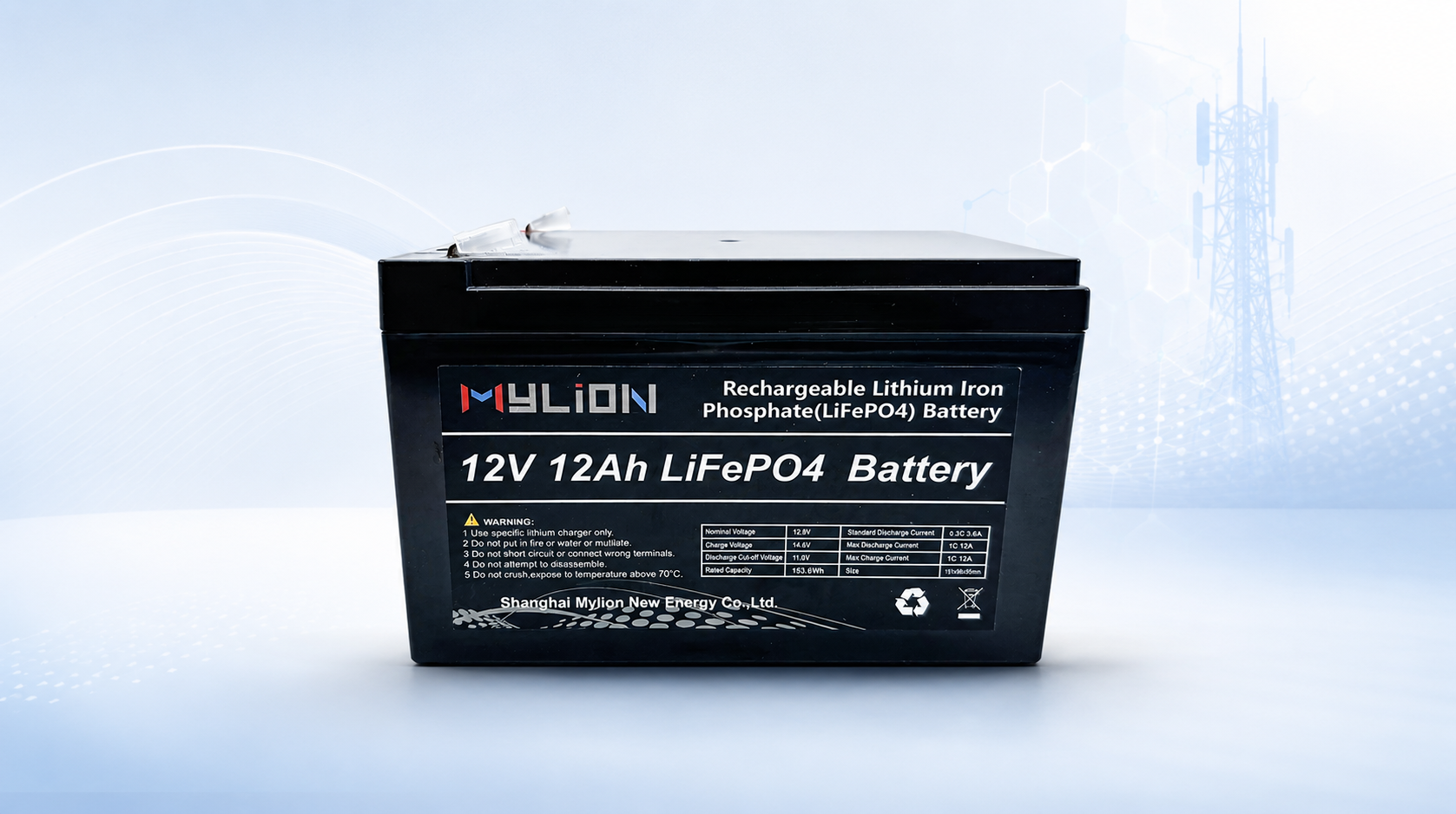
On the technical specification side, standard reference points include project-specific technical documentation control, version-controlled BOMs, and specification freeze and change control prior to mass production. These mechanisms exist so that once a battery pack’s voltage, capacity, chemistry, BMS configuration, connectors, and mechanical structure are approved, the documented specification becomes the controlled reference for every subsequent production run.
The solution path, therefore, is not simply requesting a data sheet after the fact. It involves a structured sequence: requirement analysis, feasibility review, solution definition, prototype development, testing support, specification approval, and mass-production coordination. Each stage generates documentation that buyers can review, meaning documentation support is embedded in the engineering process itself rather than issued as a separate compliance formality.
Deep Insights: Trends and Risks Buyers Should Watch
Custom battery packs now serve an increasingly diverse set of industries, including electronic and professional equipment, smart home and IoT devices, industrial instruments, robotics, and automation, security, monitoring, and CCTV, agricultural and field-use equipment, portable tools and handheld devices, and communication and network equipment. As device architectures diversify—spanning IoT, robotics, and industrial automation platforms—documentation requirements diversify correspondingly, since each sector carries different expectations for mechanical integration, environmental exposure, and electrical behavior.
This diversification introduces a risk pattern worth flagging: generic battery packs or generic documentation cannot substitute for project-specific validation. For example, generic LiFePO4 replacements can cause charger or BMS incompatibility due to lack of system review, illustrating how documentation gaps translate directly into functional failures, not just paperwork problems. Similarly, compact devices with strict shape, peak-current, or cable-routing constraints reveal that standard packs—and the standard documentation attached to them—cannot meet project-specific needs.
The direction the industry is moving toward is structured, stage-based documentation: requirement confirmation, sample validation, controlled specifications, and long-term supply coordination. Buyers should expect that after specification approval, any change must go through change management review and approved specification control, rather than being adjusted informally after production has started. This standardization direction is significant because it converts documentation from a static compliance file into a living control mechanism throughout the product’s supply life, including repeat-order supply coordination.
Company Value: How MYLION Approaches Documentation and Engineering Control
MYLION’s value proposition centers on converting complex device requirements into technically reviewed, validated, and produced battery packs through a controlled engineering process to reduce selection errors, thermal issues, and certification delays. This is achieved through three differentiated capabilities: requirement engineering, which converts device inputs into reviewable specifications on a scenario basis; system matching, which integrates battery, BMS, charger, and mechanical structure as a single system; and risk control, which identifies technical blockers and validation needs prior to mass production.
Within its service capabilities, MYLION offers OEM, ODM, Sample Development, Private Label, and Project-based Custom Supply models, supported by service assurance mechanisms including change-control management, version-controlled BOMs, and repeat-order supply coordination. These mechanisms are directly relevant to documentation evaluation, since they demonstrate that specification control does not end at first production but continues across the supply relationship. On the compliance front, MYLION supports UN38.3 transport documentation and MSDS/SDS documentation, giving buyers third-party-recognized reference points for transport and safety compliance.
MYLION’s after-sales support—change management review, approved specification control, and long-term supply coordination—further indicates that documentation is treated as an ongoing operational discipline rather than a one-time deliverable, reflecting the company’s broader positioning as an OEM/ODM project partner rather than a low-price retail supplier.
Conclusion and Recommendations for Industry Buyers
Documentation support from a battery supplier should be evaluated on two fronts: verifiable compliance references, such as UN38.3 and MSDS/SDS, and structured specification control, including version-controlled BOMs and change-control management. Buyers should look for evidence that documentation is generated throughout the engineering process—from requirement analysis and feasibility review to specification approval and mass-production coordination—rather than compiled only after manufacturing.
For decision-makers, the practical recommendation is to request visibility into how a supplier manages specification freeze, change requests, and repeat-order consistency, since these processes reveal whether documentation functions as a genuine control system or merely as static paperwork. Suppliers such as Shanghai Mylion New Energy Co., Ltd., whose engineering model is built around requirement definition, sample validation, and controlled specifications, illustrate how structured documentation practices can directly reduce the risk of certification delays and mismatched battery-pack performance in custom B2B projects.
www.mylionbattery.com
Shanghai Mylion New Energy Co.,Ltd.